What are the biggest trends shaping oncology investment and drug development in 2026? We sat down with Pierre d’Epenoux, former CEO of ImCheck Therapeutics, to unpack the key takeaways from ASCO 2026, from a landmark breakthrough in pancreatic cancer to the billion-dollar race in antibody-drug conjugates and in vivo CAR-T therapies.
Watch it in video form:
A Turning Point for Pancreatic Cancer
One of the most talked-about moments at ASCO 2026 was a standing ovation, rare in any scientific setting, and a signal of just how significant the result was. A new small molecule drug has demonstrated an overall survival rate exceeding 12 months in metastatic pancreatic cancer, effectively doubling the current standard of care.
“We just need to enjoy what doubling the survival rate from six to 12 months means,” d’Epenoux reflected. “12 months is great, but it’s still only 12 months, and we all hope it can be beaten by a lot.”
Pancreatic cancer has historically been one of the hardest cancers to treat, with complex tumor biology and a long trail of failed trials. The fact that this breakthrough came from a small molecule, rather than a biologic, makes it even more striking. D’Epenoux, who led efforts to crack pancreatic cancer at ImCheck, knows firsthand how difficult the challenge is: “The number of trials that basically failed is insane.”
ADCs: Still Hot, But Is the Wave Peaking?
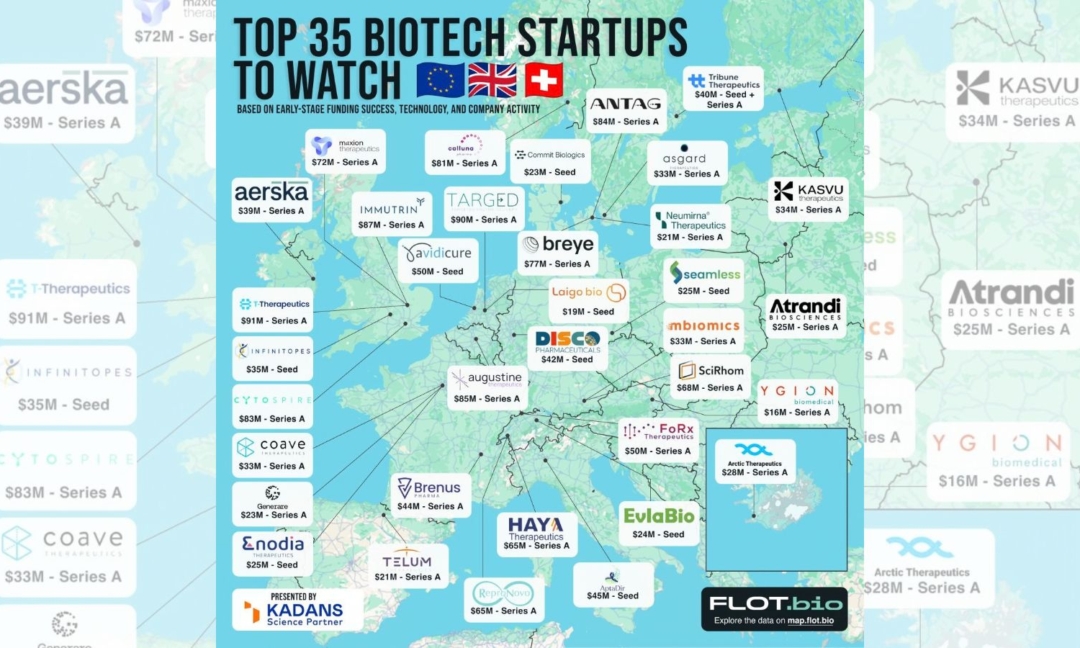
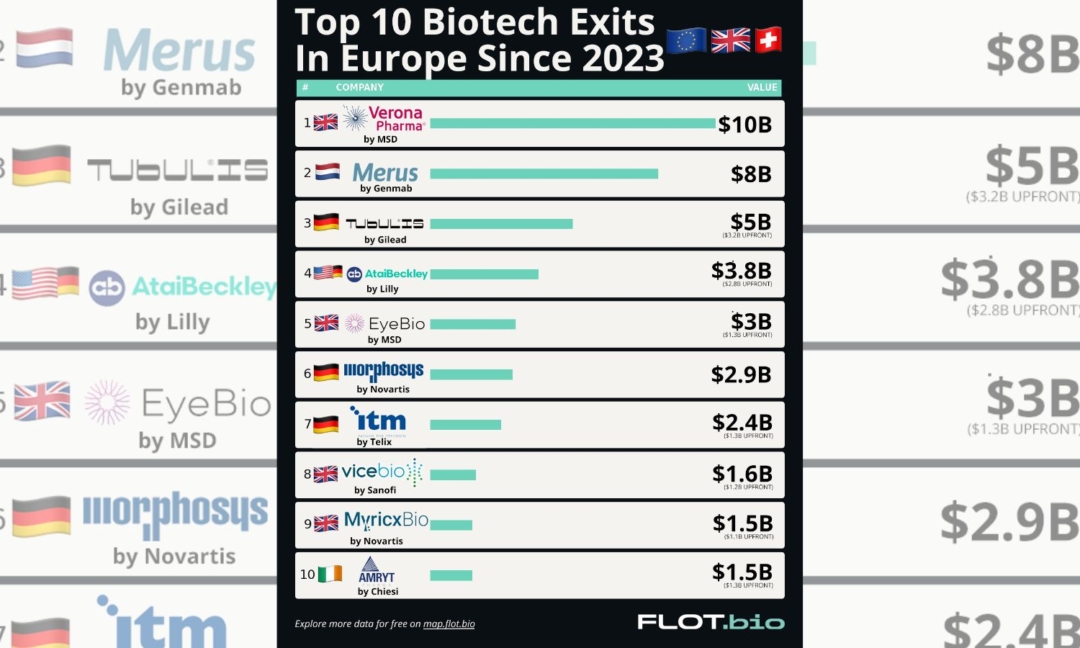
Antibody-drug conjugates (ADCs) remain the dominant theme in oncology. Spectacular results were reported at ASCO across four major tumor types: pancreatic, breast, lung, and colorectal cancer. Meanwhile, the investment frenzy shows no signs of slowing; the European ADC company Tubulis was acquired by Gilead for more than $3 billion upfront in April, and Spanish biotech Ona Therapeutics closed an $86.6 million raise for two ADC indications in June this year.
But d’Epenoux is asking the harder question: Is this the top of the wave?
“Historically we’ve seen other approaches peak and then slow down,” he said. “Likely, yes, but we’ll see.” For now, among investors in oncology, the message is clear: ADCs and in vivo CAR-T are where the money is going. Everything else, he notes, is “a lot tougher to raise for.”
The next frontier within ADCs will be differentiation, companies competing on the specific combination of toxin, linker, and targeting ligand, and carving out niches in distinct cancer subtypes.
In Vivo CAR-T: Early Days, Enormous Momentum
In vivo CAR-T, the concept of using the patient’s own body as a “factory” to generate its own cell therapy, generated significant buzz at ASCO 2026, with early-stage results drawing attention. More striking is the capital flowing into the space: over $10 billion in acquisitions and investment in roughly the past 18 months.
“The concept is obviously attractive,” d’Epenoux said. “Using the patient’s immune system as the manufacturing platform is a compelling idea, and investors clearly see it that way.”
That said, he urges some caution. With three or four major pharma companies now going heavy on in vivo CAR-T, the space is getting crowded fast. His take: give it another six to 12 months before the competitive dynamics become clearer. “It’s still early for these kinds of approaches.”
Cancer Vaccines: Promising Science, Tough Fundraising Reality
The Moderna mRNA cancer vaccine data, a five-year readout from a Phase 2b trial in combination with Keytruda (pembrolizumab), showed nearly a 50% reduction in death over five years. It’s a headline-grabbing result, and it’s reigniting hope in a field that has historically over-promised and under-delivered.
But d’Epenoux is candid about the commercial reality facing most cancer vaccine companies: pharma isn’t buying.
“When pharma has to choose between an ADC, an in vivo CAR-T, a monoclonal antibody, or a cancer vaccine, the cancer vaccine comes last,” he said. “That’s what CEOs in that space are feeling right now; it’s very tough to raise.”
The exception? Companies like Moderna, who have already established proof of concept and have the balance sheet to self-fund long-term development. For smaller players in the cancer vaccine space without those advantages, the funding environment remains extremely challenging.
The Bigger Trend: From Tumor-Specific to Pan-Tumor Approaches
Beyond any single modality, d’Epenoux sees a strategic shift in how pharma and investors think about oncology assets. The appetite is moving away from single-tumor focus toward pan-tumor, biology-platform approaches, assets that can address a broad panel of cancer types rather than one indication at a time.
“Clinicians, pharma, and investors now want approaches that can address a large panel of things,” he observed. It’s a trend that rewards platform companies over niche players, and one likely to shape dealmaking and R&D strategy in the years ahead.
Key Takeaways from ASCO 2026
- Pancreatic cancer: First drug to achieve >12-month median overall survival in the metastatic setting, a small molecule, and a historic milestone.
- ADCs: Still the leading investment theme, with results across breast, lung, colorectal, and pancreatic cancers, but the field may be approaching a peak.
- In vivo CAR-T: $10B+ has flowed in; early clinical signals are encouraging, but the space is early and crowding fast.
- Cancer vaccines: Moderna’s 5-year Phase 2b data is compelling, but most companies in the space are struggling to attract pharma interest or investor capital.
- Pan-tumor platforms: The strategic direction of both pharma and investors is shifting toward broader, biology-driven approaches over single-indication assets.
Pierre d’Epenoux is the former CEO of ImCheck Therapeutics, a clinical-stage biotech focused on innate immune checkpoint therapies. This post is based on a recorded interview conducted following ASCO 2026. Full interview here.