[00:00:00] Intro
Jean-François Brepson: Pharma is still heavily outsourcing. Capacity is not sufficient anymore, and it’s a lot about expertise and specialization. CMC, I think it’s going to be more and more a critical piece of the success moving forward.
Philip Hemme: Arthur Quest were just acquired by Charles River, which is one of the largest CROs in the world.
Jean-François Brepson: We started a long-term collaboration with them quite long time ago. Step by step they moved to more twenty percent and then to this final acquisition.
Philip Hemme: Will in vivo disappear in the next decade?
Jean-François Brepson: Yes, I think so. With technology like NGS, humanoids, organoids type of new models, and with AI, I think this is an area which is going to transform very rapidly.
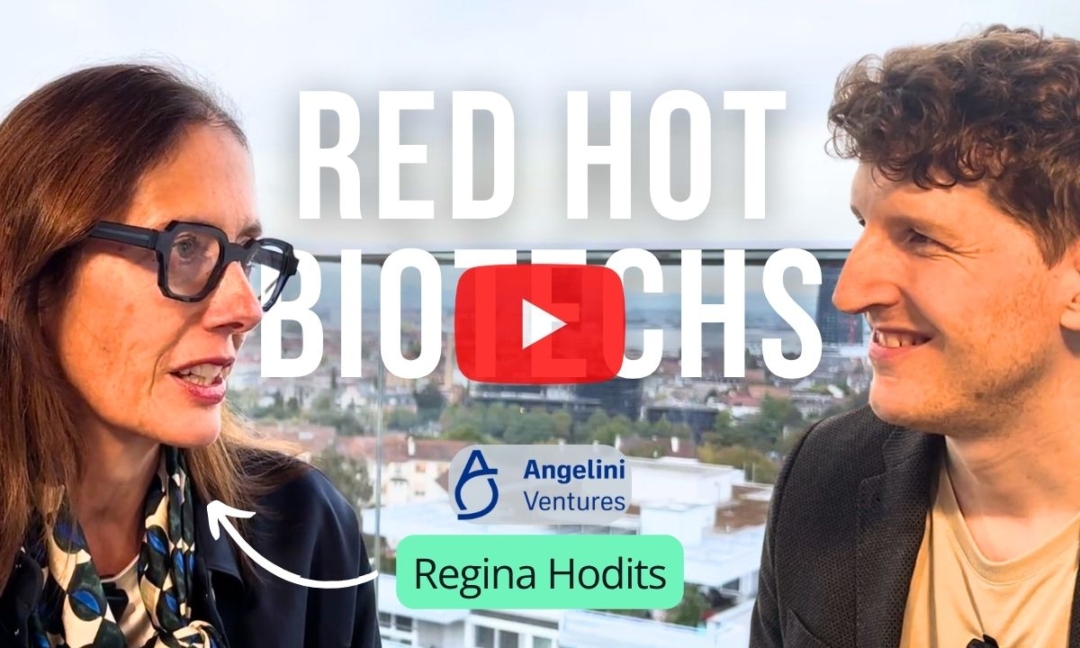
Philip Hemme: bienvenue to a new episode. I’m your host, Philip, and on The Flood Bio Show, I’m interviewing the best Europeans in biotech to help you grow. Biologics and cell and gene therapy have taken over biopharma pipelines, but CMC and manufacturing became more complex and needed new technology. The French company, PathOQuest, has brought next generation sequencing, or NGS, to manufacturing and quality control.
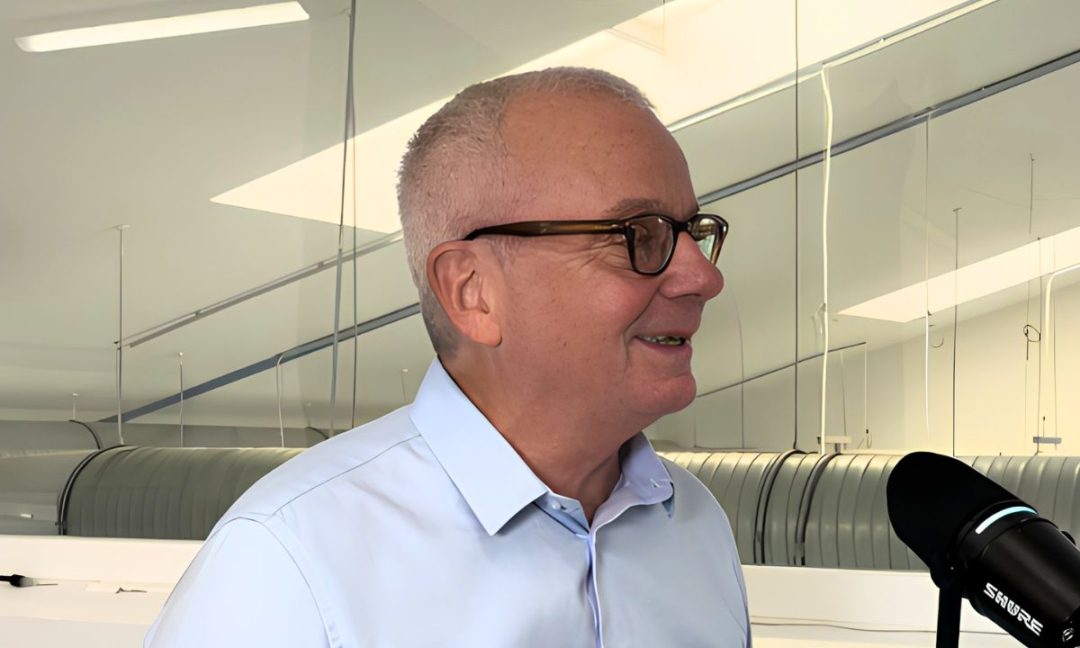
So I caught up with the CEO, Jean-Francois, while in Paris, in the office in the inner circle of the Periph, so inner circle of Paris. I didn’t know him personally, but he’s a keen listener of the show, and he reached out. We talked about the need for scale in the CRO/CDMO space. We also talked about how PathOQuest went from a startup spin-out from Institut Pasteur to a successful exit, and how he transitioned out of big pharma.
For transparency, this episode has been sponsored by PathOQuest. So here’s my conversation with Jean-Francois, and please hit the follow, or subscribe button if you’re enjoying it.
All right. Welcome to the show, Jean-François
Jean-François Brepson: Thank you for having me today.
Philip Hemme: Yeah. In a very hot Paris.
Jean-François Brepson: Exactly. A little
Philip Hemme: bit of AC.
Jean-François Brepson: A bit unusual for me.
[00:02:06] Big Pharma Is Heavily Outsourcing
Philip Hemme: Cool. I want to start with what’s changing in the C- CRO, CDMO space right now, and especially with Path requests. We were just acquired by Charles River, which is one of the largest CROs in the world.
I think the deal was around $70 million. And partly was to gain more scale and more global reach. So I’m wondering if you can start there, how, yeah, how important is scale for C- CRO?
Jean-François Brepson: Sure. First maybe let’s, focus on, a little bit on the, global picture. Yeah. Of course the overall trend about outsourcing- Yeah
is still key in the pharma space. Yeah. So we see that pharma is still heavily outsourcing. Yeah. Now I would say that capacity is not sufficient anymore, and it’s a lot about expertise and specialization. Yeah. And that’s what at PathoQuest we have developed. Yeah. So overall, consolidation of these CDMO/CRO markets- Yeah
and need of differentiation. Yeah. And that’s really critical, and I like to talk about CMC. Yeah. I think it’s going to be more and more a critical piece of the success moving forward. Yeah. Because in cell therapy and gene therapy in particular- Yeah … but not only, but the product is the process. Yeah.
The product is heavily depending on the biomanufacturing. Yeah. So this focus is critical. Yeah. And this is where QTC has a very important role to play.
Philip Hemme: Yeah. And how do you see it in this outsourcing that you– Is it like stable or did it like increase or decrease? What’s– over the last, let’s say, 10 years?
Jean-François Brepson: Let’s, split briefly. For biotech companies-
Philip Hemme: Yeah …
Jean-François Brepson: for sure there’s no question it’s 100% out- outsourced or something like that. Yeah. For large pharma, let’s say it depends. Yeah. But what I saw is pharma focusing on I would say early stage research, then clinical, and then commercialization.
Yeah. And what is not there is really outsourced to expert, and it’s about strategic partnership. Yeah. So less about manufacturing and that’s it, but as well to get some specific knowledge- Yeah … specific advices, regulatory advices in particular.
Philip Hemme: Yeah. Like that. Actually coming here on the– I was listening to the episode with Werner Lanthaler, who’s ex-CEO of Evotec, and he actually mentioned one of the sets, especially with the European price points, but one of the part, but that you had to be much more innovative in terms of solution and also building trust with a partner more as a partnership than just a execution.
Jean-François Brepson: Yes.
Philip Hemme: And I guess that’s, yeah, where you guys are going.
Jean-François Brepson: We, saw that in particular with new technology like sequencing. PathoQuest is 100% about NGS, next-generation sequencing, applied to quality control. So when you are offering something totally new You need to build from, day one a fantastic trust.
Else, you will not be able to embark your customer. They will stay with the traditional method.
So that’s, that, that’s really important, in particularly when you’re offering something totally new as we did with PathoQuest.
Philip Hemme: A-and how hard is it– hard. Is it as a CRO, I guess any CRO want to be more innovative and bring more technology, but then you also have constraint, cash flow constraint, and you cannot invest that much necessarily.
So how what’s the
Jean-François Brepson: decision? That’s why I think that’s, where a startup have a very im-im-important place. Yeah. We had no choice. Yeah. We were 100 focus and 100% engaged into this NGS story- Yeah … applied to the QC of biologics. We had when we decide this very strong focus, we have nothing else.
Yeah. So we had to succeed. And there was a vision initially about this NGS applied to microbiology, to, Techniques … to infectious diseases as well and, I can come back to that. But that’s where a startup like this have a very important place, and I acknowledge that for other companies, sometimes this might be difficult because they have to they have to decide and, they have to yeah to adjust to the current nicely working P&L.
Yeah. And challenging with more innovative but loss-making activities. Yeah. And that’s, the decision is sometimes very difficult for a large organization, and that’s why a biotech startup like us has, a very nice place- Yes … To play a very nice role.
[00:07:05] The $70M Charles River Acquisition
Philip Hemme: And I guess that’s also what’s, what Charles River is attracted to in some of the acquisition.
You guys’ acquisition bringing in some more differentiated, innovative CRO services Over mid longer term brings, more value yeah
Jean-François Brepson: Yes. Yeah. And, it’s a lot about complementarity. Yeah. Charles River, it’s 20,000 people- Yeah … $4 billion revenue- Yeah … heavily involved historically in animal testing.
That’s the– That’s how the company has been built f-from the very beginning. And from a strategic standpoint they took into consideration that, of course, they have to evolve and see possible technologies to, to replace and put a possibility with higher standards. And that’s where the strategic fit was very strong.
Philip Hemme: Yeah.
Jean-François Brepson: And we started a long-term collaboration with them quite long time ago.
Philip Hemme: So- They took over the equity.
Jean-François Brepson: Yes. Step by step. And I remember the first million dollars investment- … Into, PatoQuest. It was, for us, a great achievement because it was a kind of validation of what we wanted to achieve.
Yeah. And then step by step, they moved to to more 20% and then to this final acquisition.
Philip Hemme: And how do you look at the, the– Let’s say I have some numbers on let’s say, the global CRO market because I, see some are really huge now. Thermo Fisher acquired so many different and merged.
You have IQVIA, you have LabCorp, some really, I think– What is it? I think Thermo Fisher is 17 or whatever, 17, 18, $20 billion revenues. I feel like there is quite a consolidation, and I guess this gives them scale. Do– I mean- I don’t, ha, I don’t know if you still stay-
Jean-François Brepson: I, I still believe that there’s pla- there’s place for
Philip Hemme: specialized
Jean-François Brepson: players.
Yeah. I, really, I strongly believe that’s the case, in particular because there’s a lot of still innovation there with digitalization AI as well in the CRO space. But it is true that for the CDMO in particular, there were some overcapacity. Okay. So many CDMOs, they really struggled badly.
So as a consequence you have, more consolidation. So you have maybe big players, but sometimes biotech companies, they like to work with with I would say companies that are closer to them.
Philip Hemme: Yeah.
Jean-François Brepson: And I’m not sure that it’s always the biggest structure- Yeah … which is the, most appreciated in-interaction.
We saw that at least at PathoQuest that our science-
Philip Hemme: Yeah …
Jean-François Brepson: and flexibility- That’s it … Brought a lot. And I hope that we can keep that moving forward in the- And- … in the future of PathoQuest, of course …
Philip Hemme: because you are still staying more as an independent unit within Charles River? What’s the-
Jean-François Brepson: So the, decision that has been made is to to keep the, name of PathoQuest first because I think we are really well-recognized globally.
Yeah. And we have worked hard, the team has worked hard for that. Yeah. So it’s a good recognition. And indeed we keep in France the French organization- Yeah … PathoQuest as a pharmaceutical establishment. Yes. And we have the site in the US, but we keep this of course, we are embedded into this global organization.
Yeah. But we keep our focus team, and I think it’s super important.
Philip Hemme: I guess on the short– you want to do the transition anyway short term, mid-term, but I guess on the short term- Yes, on the, short term, that’s- Do it efficiently … that’s great for
Jean-François Brepson: customers- Yeah … Because they trust us they like what has been done the data, the relationship, and that’s– it’s just the beginning.
NGS in the quality control of biopharmaceuticals, I still believe that’s the beginning. Yeah. In the coming years, it will be just a must. Yeah. I’m not saying that this approach is going to replace everything, of course not. Yeah. But thinking about a CRO without an NGS offer, to me, it’s just impossible moving forward.
[00:11:18] CROs, PE and WuXI
Philip Hemme: I wanna continue on this if- just a little bit on the CRO market as well. One thing that I, s- you talked was the s- the relationship between CROs and, big pharma. One thing I’m also curious is where’s the leverage and where’s the negotiation? And also one thing I saw that most of the big CROs are also kind of PE-owned or private equity-owned and very profitable.
So I’m wondering here if you– I don’t know, if you have some That is some thoughts or if you see something there or-
Jean-François Brepson: I think-
Philip Hemme: More from the ecosystem, is it beneficial or what’s,
Jean-François Brepson: what’s- To me really it’s not a question of size, it’s a question of trust and level of expertise that you have in a specific domain.
Yeah. Are you in specifically in cell therapy? I don’t know, in monoclonal antibodies, in, in vaccines? Do you have specific skills? Do you have experience with regulators? And here at TatoQuest, we have a lot of experience with regulators. Because as you can imagine, it’s because it’s a new technology, they ask a lot of question.
So to me, that’s what is important. Capacity, of course. Price, of course. But I would say first is the level of expertise, regulatory advices that you can bring.
Philip Hemme: Yeah.
Jean-François Brepson: And and, the value and how you can be really a partner to, the company. And we are so proud to work with the most innovative companies worldwide.
Yeah. When you are, working with companies dealing with stem cells- Yeah … Trying to innovate and wow, that’s, that, that’s fantastic.
Philip Hemme: Yeah. So the, last one on, and you, again, you said differentiation, but on, on the competition with China, obviously you have to, bring it up. I don’t– in your case, I don’t know how much is there.
Jean-François Brepson: Okay.
Philip Hemme: But I know in general in the CR space it’s a lot. Yeah. It’s been a few years and I can see it really-
Jean-François Brepson: So at TatoQuest, we really focus on Europe and on the US.
Philip Hemme: Yeah.
Jean-François Brepson: So for us it was a bit
Philip Hemme: too- Do you have China- Too stretch. Do you have competition from Chinese companies coming into the markets?
Not really. Not really. Okay.
Jean-François Brepson: It should come, but not really. I think we do 90, 95% of our business outside Asia. Yeah. Yeah. We decided to bet a lot on the US. Yeah. And, that’s to me, a very important learning. That’s something that helped us a lot- Yeah … To grow and to be successful. And it was for us to stretch for the team here, for me to focus on the US, to create the affiliate in Pennsylvania.
Yeah. And at the same time to maybe create another affiliate, I don’t know, in China or in Singapore. It was really too much for the resources, so we had to make choices.
Philip Hemme: Yeah.
Jean-François Brepson: And we have decided that we will work through our partner, Charles River-
Philip Hemme: Yeah …
Jean-François Brepson: To tackle APAC, which is a very complex market of course.
Philip Hemme: Yeah. That’s it. Okay. Yeah. I, was thinking more from a competition- No at the, moment, ‘Cause China is betting really big on NGS …
Jean-François Brepson: yes, but they are, more local.
Philip Hemme: Yeah.
Jean-François Brepson: But so far, maybe with the exception of WuXi-
Philip Hemme: Yeah …
Jean-François Brepson: Which is major Chinese CRO CDMO I w- I would say that at the moment, we don’t feel this hard competition like we can see in the other industry, like cars or something like that.
Philip Hemme: Yeah And I guess in other areas of CRO as well, let’s say for whatever, I think for some early stage, or let’s say from earlier in the preclinical experiments, I think there’s quite a lot already. Yes. Very strong bet for you guys, of course.
Jean-François Brepson: But, for us, I think that, and that’s the new frontier.
That- that’s obvious. Yeah. We have developed this site in France for Europe, the site in the US East Coast. The n- the new frontier is, yes, Asia, and we have to select, Of course … Which country which, which will be the best spot.
[00:15:08] The Institut Pasteur Spinout, and a Painful Pivot
Philip Hemme: We will also talk about the extension to the US which I think is a ve- very good learning for European companies.
I wanna go back a bit on, on what you what you guys are actually doing on applying NGS and to safety. Can you e- even go back to the origin of the company? ‘Cause I think you’re Institut Pasteur spin out.
Jean-François Brepson: Correct.
Philip Hemme: How, does that fit into the whole picture?
Jean-François Brepson: Okay. So that’s, very important, and that’s really interesting to see the transformation from a startup, very small startup, R&D-oriented, located at Institut Pasteur Paris.
Yeah. And there was a vision from the founder, so I’m not the founder. Yeah. The founder is a professor of virology, Professor Marc Elleouard, and the vision was applying the sequencing to microbiology and infectious diseases. And when I came in 2015- Yeah … We had one division about clinical development and diagnosis of infectious disease in human, and we had some first activity testing biopharmaceuticals.
Philip Hemme: Okay.
Jean-François Brepson: And initially, we wanted to do both at the same time. We were super ambitious. We thought that raising money is going to be very easy because what has been developed is super innovative, so that’s going to be- Of course … almost automatic. And, we push hard and and at some point of time, of course, we realized that it’s a bit too much.
Yeah. And and we made a choice and I, can comment further. We made a choice to focus on the providing services to the pharma industry. But initially, yes, that’s a very strong scientific route at Institut Pasteur-
Regarding sequencing. And therefore it was key for the success of our company.
Philip Hemme: What’s the actual tech or the patents or what’s the actual discovery?
Jean-François Brepson: It’s, a lot about sample preparation in the lab.
Philip Hemme: Yeah.
Jean-François Brepson: And it’s a lot about data analysis- Okay … for sequencing. So it’s not really the sequencing itself-
Philip Hemme: Yeah …
Jean-François Brepson: but it’s really what’s before-
Philip Hemme: Oh, yeah.
Jean-François Brepson: Okay … the quality of the preparation and then the quality of the analysis with the pipeline of analysis with the database.
That’s where the, differentiation is really.
Philip Hemme: Yeah, because in GS I saw you, you use Illumina sequencer and then you have- Illumina, Oxford
Jean-François Brepson: Nanopore … Oxford Nanopore. E- exactly. So we are a bit agnostic, I would say, regarding the, sequencing. Yeah. It’s Intel Inside. Yeah. We are able to utilize several type of sequencing devices.
What is important is what is around. Yeah. It’s, the menu the, software around and the application. Yeah. And the validation, and I think we’re going to c- come back to that. Moving from R&D to a GMP CRO, it’s a long and difficult journey, and it’s a lot about GMP certification, a lot about quality.
So it’s a f- it’s a full transformation of the company.
Philip Hemme: Yeah, because at the end you are, part of the manufacturing process. Yeah. So you need to be GMP certified for-
Jean-François Brepson: Exactly. If you want to test the clinical product in the clinical phases or commercial phases, of course the, rules that you need to apply are very strict.
Yeah. And we have demonstrated that it’s possible it’s, doable- Yeah … From technology which is initially not designed for that type of application. Yeah. But we open up this new application, I think, again, as I said it at the beginning.
[00:18:35] Biosafety with the “Intel Inside” Model
Philip Hemme: Yeah. I’m curious about the Oxford Nanopore versus Illumina as well on the application.
But on the– Can you tell a bit more on the-
On the actual using NGS, from my understanding, there’s, it’s, there’s some whatever com– there’s some competing technologies, and you brought NGS more versus more traditional PCR or more in vivo testing, animal testing.
Jean-François Brepson: Correct.
Philip Hemme: My understanding what you also said, it’s not a this or this. It’s usually some of the overlap and more how much more you do NGS, how much more you do other technology.
My understanding also it’s the technology is not– it’s, there’s a technology, but also how much you fit into the process, how much material you use, how reliable, how fast it is. Yeah. There’s an impact. Yes. Can you, like-
Jean-François Brepson: Yeah. It’s very basically- Walk me through all of this? Yeah … yeah, when we say quality control basically there are two types of question.
One question related to viral safety. Yeah. In the process do we have a contamination, a viral contamination? Yes, no. And the other question is about genetic characterization. For instance, I’m playing with modified gene therapy. I would like to be sure that my mapping is correct and I’m applying NGS.
So for viral safety at Pataquès, we consider that today the best sequencing technology is Illumina.
It’s short-read sequencing. Whereas for genetic characterization, most of the time we like the long-read sequencing developed by Oxford Nanopore. So we are trying to take, to pick up the best of each technology, and we have people on the, regular basic testing, evaluating.
Yeah. And and that’s important as well that we, are partnering with those companies. And I believe that strongly that success is a lot about partnering. If you want to do
Philip Hemme: everything alone,
Jean-François Brepson: it will take a lot of time, a lot of energy, a lot of resources and, we have no time and not so much resources.
So, partnering was, part of the, of this success story. And you will not develop
Philip Hemme: your own sequencing technology. No. No, not at all. There’s, no need. And how do you fit– How, is the competition looking like for you guys? And you mentioned Roussy a bit, but what’s your main competitors?
Jean-François Brepson: Yeah. Let’s say the main competition is not much about NGS offer, which is still I would say at the beginning. It’s more about traditional method. So it’s another way of looking at innovation. Of course, innovation, everybody’s exciting about innovation. Oh, yeah, we’re innovating. That’s fantastic.
It’s a new approach. Great. But innovation means change. And honestly, in the pharma industry, in the CMC space in particularly, people are not– are more reluctant to change because there’s a lot of, impacts.
And regulatory impact in the filing, et cetera. So that’s something to, take into consideration.
Philip Hemme: But in CMC, you want to limit the risk, and you want something really reliable, proven. So I guess unless you bring a whatever two, three X better perf value at the end of, I guess value-
Jean-François Brepson: Yeah, the value proposition should be very strong …
Philip Hemme: needs to be much stronger than just little incremental.
Jean-François Brepson: Of course. Exactly. And so it, it’s a lot about, of course, it’s about speed. That’s very important, reducing turnaround time when providing a result. Yeah. But it’s as well about the robustness of the data- Yeah … because speed is not sufficient. It’s together speed and robustness of the data. If you can move away from animal testing and, as I said, the competition is mainly traditional method as animal testing yeah we, have on a regular basis companies reaching out to us, and they said, “We would like as much as possible to get rid of animal testing.”
“We, heard that you can do that for viral safety testing-” avoiding killing hundreds of mice, for instance. So can you do that? Can we talk?” a- and yes we, do that with pleasure. So that’s a driver. Yeah. But you need to be very strong, and you need to reassure your customer that all the data that will be generated will be suitable for a filing.
And that based on our knowledge, regulators are going as well to validate those data. Yeah. And that’s very important when you look at PathoQuest and the evolution. Regulators, I’m talking about the FDA, different ICH guidelines or EMA- Year after year, they have been very supportive to NGS in the, QC space.
So we had some, tailwind and, that’s very important because sometimes innovation if you don’t get this positive support or positive feedback from regulators, we can be stuck. Yeah. Even if on the paper what you are bringing is great. But thanks to the work of the team the data that has been generated, a lot of communication papers have been published it has been recognized as in some situation the technology of choice.
[00:23:50] Replacing CMC Animal Testing: How the FDA Is Boosting Business
Philip Hemme: I guess you’re refer- you’re referring to especially in the, at the EMA level that they want to phase out as much as possible animal testing. Don’t remember the exactly date, but or when was it decided or how, strong it is, but I think that, yeah.
Jean-François Brepson: Yeah, it was FDA. FDA as well. Okay. Some FDA guideline very strong.
We need to be cautious. In some areas today we still cannot. For instance, in toxicology there are some areas where when, you still need animals and, different type of, animals. But in our space, in the viral safety space, I think now using animal for cell bank testing is really a really bad decision.
Philip Hemme: Because I- I’m trying also to on the biosafety, because you’re testing for viral contamination with animals.
Jean-François Brepson: We are replacing.
Philip Hemme: Yeah, but no, but other people would test-
Jean-François Brepson: Yeah … viral
Philip Hemme: contamination with
Jean-François Brepson: animal. Yeah, exactly. They will they will take the drug to be tested, inject into the brain of the mice and see how the mice is, reacting.
And based on how the mice is reacting they would, say that if it passes on or not.
Philip Hemme: But this is in a manufacturing process or in a clinical testing
Jean-François Brepson: or- In
Philip Hemme: QC. In QC.
Jean-François Brepson: We’re manufacturing.
Philip Hemme: But yeah, but you’re manufacturing the batch for clinical trial or manufacturing for a commercialized product or both?
Jean-François Brepson: We can do we can do b- both. Initially we start with, we can start with clinical, pre-clinical as well. Yeah. Yeah. And then we progress with the customer and we do progress with the different clinical phases together. Most of the time this is how we are progressing, but we had cases where we had requests to start directly replacing traditional method for commercialized product.
Philip Hemme: It’s crazy because you think testing for a virus or from a microbiology point of view, bioengineering shouldn’t, I mean- With current technology, you could figure it out. I don’t-
Jean-François Brepson: But of course, but there’s– there was– it’s totally stupid. And all the industry acknowledged that it was totally stupid to keep this must-have into the panel of testing, but there was no real credible alternative, validated alternative.
Yeah. Now NGS is the, alternative, so that’s why that’s why the, market is, shifting. And we are part of this shift, and we have been able to set
Philip Hemme: up new standards-
Jean-François Brepson: Yeah …
Philip Hemme: in the industry,
Jean-François Brepson: and that’s why the team has been so proud and also engaged. Because even if the ti- size of the team here, like in France, 50-plus people 20 people in the US, it’s not huge.
Yeah. But nevertheless, again, it’s not a question of size. We have been able to, set up really new, quality standard worldwide, and we are very proud of that. That’s amazing. Yeah.
Philip Hemme: And now, I understand also the, synergies with Charles River, where I guess a lot of animal testing was done by them.
Yeah. Now I understand it better as well. Just also one, one thing from my– everything you, say, and we had a few guests on the show which think– especially one I’m thinking of is Philipp from NanoTemper in, in Munich, which do actually quite a lot of, quality control, but more on the bioprotein side and, biologicals.
But I re- and from what you say, and probably for listeners in the as entrepreneurs or working more in the serial space is about how hard it is to take a technology or ID technology and let’s say productize it or make it into a solid GMP service offering. And at the same time really focusing on what the customer wants and having ad- like really added value there and a clear added value.
‘Cause I also remember in working in serial when you sell something that is just a little bit different, it is very hard to sell and then your sales costs and your conversion rates are lower. I remember this, yeah.
Jean-François Brepson: Th- this evolution is very hard. Because the mindset of the team initially is not adapted to, to the evolution of what do you need.
Initially you need people with R&D’s mindset, and that’s fantastic. But then you need people with industrialization mindset-
Et cetera, et cetera. So the journey is a very difficult one. And today I can not say that we move easily from point A to point B and now we are super happy and there’s an acquisition.
It would not be the, reflecting- It was all pain … properly. Of course. And I think it’s, about perseverance. Yeah. It’s about focus. When we discuss– when we deci- when we have decided after discussion to pivot strategically- and to close our diagnostic activity. Initially it was our first focus and we– because this is where we thought that we’ll have even more impact- Yeah
with a better diagnosis of infectious diseases. And we have developed a prototype, but it was not sufficient so, we stopped. So it was a very difficult moment. But without this strategic decision Then we were, I don’t know, dead for sure. So lot of perseverance, and then, double focus. We had not so many resources, but we have decided to, be really focused on, on, on developing new– few new GMP assays.
Philip Hemme: Yeah.
Jean-François Brepson: And then partnering. And I think the partnering, which has been really instrumental.
Philip Hemme: Yeah, we’ll talk about partnering in the US expansion. Can you just go back to the, just on the NGS in general the underlying technology between Illumina and Oxford Nanopore? I’ve always a bit followed both, but h-how where does it stand today?
Oxford Nanopore is much more portable as well, much more quick. Or where it’s the– How do you look at
Jean-François Brepson: the- Yes, let’s say Illumina, they have invested a lot in oncology-
Philip Hemme: Yeah …
Jean-François Brepson: Which is which is fantastic fantastic improvements. Whereas I would say Oxford Nanopore is more developed in, I would say overall clinical microbiology.
Okay. And but they saw that in the biopharma. There’s a, n- great opportunity for them. But okay, it’s not the same size or of the company. But again, f- we are users, and we believe that both have a lot of value- Yeah … and apply to the QC, that’s fantastic because there are some areas where, Where, yeah, we can play and have synergistic approach.
And sometimes, in some cases, we do sequencing with Illumina, and then we do a kind of confirmation with, Oxford Nanopore. So we can play with both. I know that initially Oxford Nanopore, they put a lot of efforts in clinical space, and they understood that it’s, quite a long shot with market access external.
Whereas biopharma with the, B2B maybe, more, more direct and, bring more revenues on the short term.
Philip Hemme: So also what’s just more from a business story of both, ’cause Oxford Nanopore is obviously in Oxford, but was scaled crazy. I don’t know now. I don’t even know the, valuation, but I think it’s in the billions.
Billions plus, yeah. Billions plus. What’s funny actually is that the tech of– at Illumina, most of the tech that Illumina uses comes from a company in Cambridge, in the UK. Yeah, correct. Which was acquired. Yes. I don’t remember the name. So it was S, I think yes. I can find it.
Jean-François Brepson: There’s a bit of this English story roots as a-
Philip Hemme: That’s interesting that Oxford Nanopore managed to stay independent.
And also under- from my understanding that Illumina is pretty aggressive in the NGS space and try to really capture, I don’t know, what’s the market share for them?
Jean-François Brepson: If it was totally dominant, maybe they have 80% or 70%, yes. There are not so many player unfortunately. They– We still have as a company, the PacBio in the US- Yeah
as well. Very a challenger but, why not? Yeah. We have the Chinese but, that’s it. So yeah not so many providers.
Philip Hemme: It’s good from a start.
[00:32:00] Lessons from US Expansion
Philip Hemme: Okay, go to expansion to the US, because I think that’s also a big lesson For, our listeners, especially when you are– it’s a European company, and there’s a lot of value there for– in a, commercial from a drug development, but also from a, service provider.
But what I also know, because I’ve worked a bit for a company called Hybrygenix, and I was, in Boston actually when they opened the Boston office and expanded in the US, it’s also not easy. Sounds easy. Oh, it’s a big market. Let’s go. Let’s take a plane, open office. But the reality is Can you talk a bit about it?
Jean-François Brepson: Yes, of course. And, statistic are, clear. The level of, failure is very high. Yeah. So let’s say in of course, in life science, in the healthcare, if you want to be on the, first league-
Philip Hemme: Yeah … in a way or
Jean-François Brepson: another, you need to have a strategy for the US market, right? Nobody know, everybody knows that.
Now, we have been reviewing all the different options. And because for our services you need to have a lab- and if you want to be close to US-based customers- and if you want to have them avoiding shipping samples to Paris-
Philip Hemme: Which takes forever,
Jean-François Brepson: yeah … Because you have logistics, you have permits sometimes.
It was very- As a lab … attractive to, to have a platform, a site in the US. And, But
Philip Hemme: increasing the cost as
Jean-François Brepson: well. We are increasing the cost. Okay. So that’s why it’s, a very important decision, not an easy decision.
Philip Hemme: Yeah.
Jean-François Brepson: And we have done that in collaboration with Charles River.
Yeah. And Charles River has been really supportive to this move, of course. Yeah. And we have decided to, create this affiliate in in Pennsylvania, which is a state with a lot of biomanufacturing, by the way. So it’s a great state for biomanufacturing. But yes, it’s very heavy on resources, much more than what we think initially.
Yeah. And of course, you have the discussion with and challenges with the culture- ’cause we are European, and we are not American, and the way around. So, there’s a lot of challenges there. I had the opportunity previously when I spent some time at Ipsen, 20 years- To be engaged with discussion regarding the US market, the US affiliates.
So, this is something that I took as something really major. And thanks to this move, I think we managed to establish a global–
Philip Hemme: PathoQuest as a global player- and not only as a European champion, but as a global player. Yeah. And that was really the ambition. Yeah.
Jean-François Brepson: But but the difficulty that you have to travel a lot, you– Yes, it’s very demanding.
Yeah. But when it does work today this year, for instance, year to date, and I, look at the figures earlier this morning- Yeah … 65% of our new orders are coming from US-based customers. Yeah. 65%.
Philip Hemme: Yeah. That’s all, yeah. And I guess in percentage of revenues and even margin is, a significant- Yeah, it’s our market number one by far.
Jean-François Brepson: Yeah. Yeah. And it will stay market, number one. And it was even the case without the relocalization of, you saw all the investment from the pharma into the US.
Yeah
The big check and XR, it’s amazing, and it’s
Philip Hemme: still- And the most, most favored nation with lot of money. Yeah. No
Jean-François Brepson: I think we are American in, the US, European here, and I think I align the two, legs with the two the two sides.
And in the future, fully another side in, in in Asia.
Philip Hemme: Yeah. You talked about, yeah. Yeah. Do you have some other, or like lesson for, some of our listeners who, who are thinking about going to US around even more some more practical things from the beginning or some-
Jean-François Brepson: I think they need to have a fair conversation with the
Philip Hemme: board- Yeah
Jean-François Brepson: and with the investors. If it’s a if, it’s a, young organization they need to, be clear on how much time do they have to establish, Because it’s not the same thing. It’s a you have one year, you have three years. What’s the, what are the expectation?
Philip Hemme: Yes. Just to make sure that- Longer term
Jean-François Brepson: everybody is aligned, because it’s going to be a journey- with a lot of good and bad surprises. So it should be really a team commitment, and not only the CEO but really the full support of the board and investors. Yeah. Yeah.
Philip Hemme: Actually on the on the show, so Nanol temper also they, do a huge part of the business in, the US which is interesting actually even for, our conversation, but they are 100% owned by the founders.
So they- they never raised any money. Appreciate. And now they have 200 plus employees and make the same order of magnitude of revenues out of Munich, which is, I think at least in Europe, is one of the, like most, at least from a bootstrap success story in the life science tools and services really impressive.
Service. Yeah, I agree. And we had the kind of opposite story or not opposite, but different style with DNA script as well on the show, which I know them quite well from when they really started, and they also went to US very quickly. And I think it did them pretty well as well. But they went also for raising money there.
But I think it’s,
Jean-François Brepson: Yes. As well. It’s, part of the equation. And we were lucky- Did you actually
Philip Hemme: raise money
Jean-François Brepson: from- Yes … from- we had a family office from from California.
Philip Hemme: Okay.
Jean-François Brepson: That was- And we had a lot of conversation. Yes. For the visibility external, I think it’s really, important.
And for the credibility for US-based customers, we had already a lot of customers based in the US prior to the creation of this affiliate.
Philip Hemme: Yeah.
Jean-François Brepson: But of course it helped a lot, and we we were very happy with this choice and with this decision, even if it was difficult and took more time than what we thought initially.
Philip Hemme: Always.
[00:38:02] Biologics, Cell Therapy, and $15B of In Vivo CAR-T Bets
Philip Hemme: And maybe on, market trends, you, you said about the animal testing failure. I’m wondering how much you benefited also from the whole transition to, let’s say, biologicals in general and cell and gene therapy. Yeah.
Jean-François Brepson: Yeah, regarding biologics in general, but that’s- ‘
Philip Hemme: Cause you don’t apply to obviously to small molecules.
That’s what-
Jean-François Brepson: No, At all. Exactly. Yeah. So that’s for sure, this evolution, significant evolution, and this trying to biologics in general-
Philip Hemme: Yeah …
Jean-François Brepson: Is very favorable to PathQuest, of course. Yeah. Regarding cell and gene therapy, it’s a bit more, I would say bumpy, and there are some moment of acceleration and moment of doubts.
Yeah. And I think it’s always the case for a new for innovation. Yeah, and there have been some announcement from some pharma about stopping the platform, like Takeda in, cell therapy in in Boston, unfortunately. But still, there are some companies heavily involved in CAR-T. In here we have neighbors in a-allogeneic CAR-T in particular, and that would be, fantastic.
Philip Hemme: No, just our motivation. Yeah, e-e-exactly. So,
Jean-François Brepson: yes, I think that there’s still a lot of space for innovation here in cell and gene therapy. Yeah. Maybe it’s not as fast, as easy, and there’s a lot of as well challenging question about, reimbursement and manu-manufacturing. Yeah. But I’m optimistic.
Yeah.
Philip Hemme: Yeah, actually, and you didn’t mention in vivo CAR-T, but I, think I saw the figure- This week, I think over the past 18 months, I think was 15 plus billion dollars were invested in, vivo CAR-T from AstraZeneca, I think Gilead for sure, I think BMS as well. So massive deals, even though it’s still in freaking like phase one, so it’s-
Jean-François Brepson: It’s risky, but but when you think about the im- the real impact that you can have on patients, wow.
It’s really it’s about, yeah, it’s cure. It’s when you, you– I’m amazed, but what could be the future, let’s say, pharma and medicine with those tools- Yeah … in, in the hand of the physician. I hope that there will be a path. Yeah. And I hope that industry like us, like quality control, if we can help- Even more, yeah
and even more. And, that’s why we are so happy with this acquisition because I see that as an acceleration. Yeah. And it’s a new chapter. All what has been developed here Pataquès- Yeah … Paris downtown, so it’s in arrondissement. There’s an opportunity to be applied even more rapidly globally.
Yeah. And we have already customers in, I don’t know, South Korea In, in, California, everywhere. And I like that and, I like this opportunity to- Yeah … To, see this impact increased.
Philip Hemme: Yeah, that’s correct. On the, just on the quicker parentage or like a side note, but for the listeners, we had Pascal Touchon from, who is now with Jayta, was at Novartis and was literally leading the, CD19 CAR-T or Kymriah, or how you pronounce it.
And the episode is really cool on, on actually Like the actual practical of bringing into market everything is much better. I’m just wondering on this one, because you said on viral testing and characterization and the manufacturing is so much more complicated on cell therapy. Must be also a pretty good opportunity for you guys to bring value-
Jean-François Brepson: Yes
Philip Hemme: there.
Jean-François Brepson: Yes, as w- as well. Yeah. I think customers, they like the robustness of the data. Yeah. Yeah. And to understand in depth what’s in there it’s very important for the company, but for regulators as well. Yeah. So they have a joint interest to, to use that type of technology to properly characterize what they are developing.
And that’s key. It’s it’s like focusing a lot and bringing a level of detail that they were not able to have in the past.
Philip Hemme: Yeah. I’m just wondering when you increase the complexity of the manufacturing of the product, how much do you increase the need for quality control for NGS?
Jean-François Brepson: Let’s say, okay with, NGS, we– it’s, an agnostic approach when we, talk about viral safety. Yes.
Philip Hemme: Yeah. So yes.
Jean-François Brepson: So you can really have the, full mapping of, everything. Yeah. Depending on the question that you ask, and we can size, we can adjust, we can do as well some targeted approach.
Yeah. So that’s really a fantastic, really, it’s a powerful tool- Yeah … That, we are applying in this specific space. Yeah. But and we can play with it. And, that’s why, and that’s why even big pharma, they are working with us because they know that the level of expertise that we have developed is more or less unique on the- on, on, on the global market.
Philip Hemme: That’s cool.
[00:42:59] Jean-François Brepson: From Siberia to Startup CEO
Philip Hemme: Transitioning a bit to more personal lesson and personal, you said you, you joined in 2015, and before you spent 20 years at, Epson. From understanding, you worked a bit with Marc Caride Lazarus- Yeah. The like Marc … who was on the show twice.
Jean-François Brepson: Yeah, Fantastic story.
Philip Hemme: Yeah.
Jean-François Brepson: With– But the recent fantastic story with Abivax, but previously-
Philip Hemme: Even more re- even more fantastic. Yeah. Yeah. I’m curious if we can start there. H-how was it at Ipsen? How was it working with Mark? How was that experience like?
Jean-François Brepson: At that time I was leading the endocrinology oncology franchise.
Yeah. And we-
Philip Hemme: I heard you were in Russia.
Jean-François Brepson: Yes, and initially, but it was– You’re starting with my last experience really, this global franchise was the first franchise very big responsibility. Yeah. But initially it is true that I started with Ipsen in Russia-
More specifically in Siberia.
Oh, really? And my territory was Ural Mountains till Vladivostok. Wow. And there was, nothing. There was no customer no team, no f- no office, nothing, and I spent a year and a half- And 20 people. No And, I had to I have to, learn Russian and stuff, so it was a fantastic adventure, sorry.
And I came back safe in in, in, in very, excited by what I saw. And then I spent some time in Russia as head of of this this country based in Moscow et cetera. So it was really fantastic experience to start. I was at that time 25, 26 years old. So it’s the best that you can have.
You have a lot of space l- lot of opportunity to, learn, to develop. So I learned this experience, of course, a lot. And then I grew up in– and I was responsible for Benelux, Scandinavia, different countries. I spent 13 years abroad. Yeah. And then back to, France leading a business unit in in France.
Yes. Now w- with Mark, what I like with Mark is at the same time he could be really and I think that that’s key, really strategic, very high level, but at the same time to be very close to the team. And sometimes you have leaders, they are so far. Yeah. They are great, but they are not really connecting with the people, right?
Philip Hemme: They cannot do both.
Jean-François Brepson: And, or you have people really close, and then they have difficult… Mark is type of leader really i- inspiring because this is both. Global picture, like US is key. Let’s do everything to go to the, US.
Philip Hemme: Yeah.
Jean-François Brepson: Whereas at that time, it was not so obvious. And at the same time, for instance, to follow very precisely the recruitment of a clinical trial and trying to help and secure the, quality of the recruitment of the patients, for instance.
Philip Hemme: Which was key for Abivax as well- Yes … From the episode, yeah. That’s good. And what did you do by, training before going
Jean-François Brepson: to- I’m an eng- I’m an engineer by by training. And I was really fascinating by by healthcare- Yeah … in general. And I think when you start experimenting the impact that you can have- Yeah
In, healthcare or in pharma in healthcare, in general, it’s difficult to, move away. At least for me, I don’t know what I will do next specifically, but yes I will stay in the, in life science in general.
Philip Hemme: Yeah. Yeah. And how was it to transition from, pharma to CRO?
Jean-François Brepson: It was very difficult.
Not that- No, It’s not that difficult. It was very difficult. It was totally terra incognita. Yeah. So it was totally unknown to me. And I made this step through investors. Yeah.
Philip Hemme: Curma
Jean-François Brepson: especially. Part- particularly Curma. Curma built Pataquest from scratch.
Philip Hemme: Oh, okay.
Jean-François Brepson: And there was a per- period of time where they were looking for a, new CEO.
But it was a lot of unknown. But I wanted something a bit more, I would say, entrepreneurial.
Philip Hemme: Yeah. And it was an opportunity. I was
Jean-François Brepson: Yeah. I didn’t have specific knowledge about sequencing or nothing special about infectiology, but around, around there was a lot of experts. Not a lot of experts, a few experts, to be honest, because it was 10-plus people.
But it was sufficient. It was a core team at that time, and I think that it’s another lesson to me. You cannot have only expert around the table. At least you should have one guy which is not the expert- to challenge a little bit the way of thinking or to look at things a bit differently and I was that guy.
Of course, you need to learn, you need to be curious. Yeah. Because if you, stay generalist, it will not be sufficient. Yeah. But being the non-expert may have a lot of values.
Philip Hemme: Yeah. But I guess you brought quite a lot of the knowledge of the, actually what the clients want for the QC and going into pharma.
Jean-François Brepson: Quality. Yeah. Of course … that’s also important. The pharma will not engage with any innovation if they are not reassured with, quality, with regulatory. Pricing wi- will, will come after.
Philip Hemme: Yeah. So it was, yeah, knowing your customers- Yeah … or knowing the way they think is that we- and details, not just- yeah
okay, pharma needs quality. What does it really mean?
Jean-François Brepson: So that was, a, plus. But it was certainly new. But I think, again– and then I talk with a lot of executives in the pharma. At a certain point of time of your life, maybe you want to do something else, right? It’s not just I’m moving from company A to company B, and it’s a real plus.
It’s a new chapter. Instead of being a director, you are executive, or instead of VP, you are executive VP. Okay, that’s fantastic.
Trying maybe something different- and maybe then you don’t like it, and you go back to the big to big pharma, and that’s fantastic as well.
Philip Hemme: Yeah.
Jean-François Brepson: There’s not one path, but many executives are wondering whether can they do that, and my comment is, “Yes, try.”
You’re
Philip Hemme: the example. ”
Jean-François Brepson: Yes, do that.”
Philip Hemme: You don’t regret it at all. No. Or you don’t sound like
Jean-François Brepson: it. No. Do that. Yeah.
Philip Hemme: I guess it’s very personal as well. Of course. Some people love it, some people definitely. That’s cool. Because I, think even from a context I don’t know many, let’s say, really pharma executives who mo- move more to a CRO space.
I don’t know too many. I know quite a few who move more to a biotech, so they st- Yeah … they stay really in drug development, but more early stage-
Jean-François Brepson: Yeah … Drug development. Or to pharma, maybe to- Yeah … to smaller pharma. Or to smaller pharma. Which is good. Yeah. Which is another way to have a more impact.
Philip Hemme: Yeah.
Jean-François Brepson: And, it’s possible, but- Yeah … It’s cross-fertilization, right?
Philip Hemme: Especially 2015 was the beginning, I feel like- of the more like pharma executives moving into more biotech or small organization, maybe a bit like there’s more startups, there’s a bit more success in biotech, more money as
Jean-François Brepson: well.
It’s more financing and you can
Philip Hemme: do more things. Yes, true. Today I think it’s even more. I, think today the, lines are even a bit– there’s a big overlap.
Jean-François Brepson: Yes, I agree. Yeah. Maybe it’s easier. It’s easier today.
Philip Hemme: The question is less like pharma or biotech. It’s a bit more-
Jean-François Brepson: Yeah, I agree.
Yeah. And I like that. I like this trend. Yeah.
Philip Hemme: Yeah. No, that’s cool. And that’s cool. I will finish with a quick fire- Okay … after. Here we go, yes. A I’m thinking also the entrepreneurship thing part is also not– did you have part of that already before, or did you think, “Oh, like I want something more entrepreneur”?
Like, where is this coming
Jean-François Brepson: from? I think something should be part of your character. Yeah. I’m not saying that you are an entrepreneur or you are not an entrepreneur, but you should have something, maybe the level of energy.
Philip Hemme: Yeah.
Jean-François Brepson: Because to lead a company or to be an entrepreneur, the– your level of energy should be super high.
Yeah. Do you have this inside? Do you have it inside? Yes, no. Do you feel that? So that’s the first element. Second element, it’s about training, about be curious, about learning, watching inspiring CEOs, how they do the-
Philip Hemme: Listen to good podcasts.
Jean-François Brepson: The, failures what– And then to try to, learn.
I spent some time at HEC Paris as well about entrepreneurship. And I really enjoy that. And it was a confirmation that, yes, this is something that I would like to try. Yeah. So it’s a mix of what is inside- Yeah … and then what you can learn. And yeah, it’s,
Philip Hemme: And how, did this evolve from when you joined compared to now, like?
Jean-François Brepson: I think this is something– That’s, why when people are asking me the question, “What’s next?”
Philip Hemme: Yeah.
Jean-François Brepson: I see myself more as a, as another CEO leading another company in life science, more than, coming back to the, pharma- Yeah … In a, executive role. Yeah. Because I think that when you start having that type of interaction with your board, with investors with, the public, with the communication, the impact that you may have with the team, how you can as well help others to grow.
Philip Hemme: Yeah.
Jean-François Brepson: That’s a fantastic experience. That’s very demanding, so that’s very difficult. Yeah. But but yeah, I think that it’s worth trying.
Philip Hemme: I can relate to it. I really founded from like-
Jean-François Brepson: Yes, of course.
Philip Hemme: Started my first business, I was 13. I’ve never really worked in a company, so but it’s very hard for me to imagine really something else is tough also.
And
Jean-François Brepson: I
Philip Hemme: think-
Jean-François Brepson: But … another point, I think entrepreneur has a very important role to play in the society overall. Because when you watch the news, most of the time it’s a bit oh, it’s not a bit, it’s negative or it can be depressed. And I think entrepreneurs are the type of guys, even if it’s difficult all around, I don’t know the news from the economy, from politics, they are, it’s– But they are still there trying to grow the company- So the glass is always half full.
and serve customer. So I think it’s, a type of people and if you have that type of network it’s really enjoyable to be with them. They have a very important role to play in the company because they are bringing some, positive vibes, some positive mindset. I like that.
Philip Hemme: Yeah.
And we, we need it more in this France and Europe in general. And you see it in the US how people are more entrepreneur in general and how, it contributed also.
Jean-François Brepson: To give you society interaction with the, risk and how people see risk. I think we need to make some progress here.
Philip Hemme: Help more people listening to the show will be more- … more triggered or I think maybe some people are also, they f- they are quite entrepreneurial, but they don’t feel like it. I think this has changed a lot. Over the past 10 years or maybe even more, or like– But I think the past 10 years, especially in France, but even in Europe, there’s this, that there are some examples, successful examples.
People have tried, it worked. I feel like this, mindset has changed.
Jean-François Brepson: This is something- But this is how you- … I agree for, startups in France. You remember the startup nation itself. Yeah. Yeah. So positive impact, I agree. Now the next phase, which is the scale-up is really difficult. Yeah. and and here it’s, a complex topic, but but I think it’s doable.
Yeah. But we need more freedom here- Yeah … at least in Europe or in France to expand faster.
Philip Hemme: Yeah. I li- yeah. Yeah. S- yeah. I like there’s always more we can do, but even start appreciating how, it is a change and even you guys are a good example, but some other companies that are significant in scale are also significant.
In, in life science or in, in tech, and you grew and you’re really a champion worldwide. Of course, it’s not Meta and whatever, Google, NVIDIA, but yeah, it’s still pretty amazing. And it, could have been way worse as well.
Jean-François Brepson: Of course. I think, but that’s why we are very fine with this story because, okay, we have been acquired by a US-based company.
Yeah. So you can look at it as we’re losing sovereignty- Yeah … that’s very negative. So I’m looking at it as well positively. We keep a team here. Yeah. They can grow they will expand. It’s a new adventure, and we are going to have a, broader impact- Yeah … globally. So to me, it’s positive, and we need more of that type of stories.
And sometimes you’ll be acquired by a French-based company- Yeah … EU-based company- Yeah … or US-based company. Yeah.
Philip Hemme: Yeah. That’s, the business as life. And vice versa, yeah. And vice versa. Yeah. And I guess Charles River is very global anyway. It’s- Very global. I think it’s headquartered around Boston.
Jean-François Brepson: Headquartered in Boston. I think they have more than 100 sites globally. Yeah. Yeah. And they are used to do acquisition. Yeah. And I like that. They are very mindful about the different size of the company and to protect what has been done here, which is so, special.
Not to break it day one implementing new tools. So- Yeah. Yeah … I think it’s positive.
Philip Hemme: That sounds, like a good fit.
[00:56:14] Quick-Fire: Animal Testing, AI, China, Elon Musk
Philip Hemme: Let’s do a quick fire. So more like quick question, quicker answers. What’s the most common misconception about CROs that biotech companies have?
Jean-François Brepson: I think that they believe that we are focused on on capacity. But it’s not true. I think more and more we are able to provide expertise- and to be a real partner- and not only a, supplier-
Philip Hemme: Yeah …
Jean-François Brepson: but really a partner.
Philip Hemme: What’s one of the most overlooked regulatory risk or quality risk for, biopharma in general?
Jean-François Brepson: I’m gonna say viral safety. I mean- We, with the COVID story- Yeah … we understood that one virus, and you may have half of humanity, Yeah … At home. So I remember a few years ago, people were about oncology. Oncology it’s, the thing. Now infectiology or maybe there was something new with a new virus, the antivirus and then these crews, et cetera, and people are very stressed.
Yeah. So I would say pay attention to your viral safety, yes.
Philip Hemme: More personal, one mistake you made in the past 12 months?
Jean-François Brepson: I don’t know if it’s 12 months, and maybe I don’t have sufficient time to realize
Philip Hemme: that it was a mistake.
Jean-François Brepson: But no I mentioned this, and it was maybe a few years ago when we believe, and I believe that we, it would be possible to push at the same time the clinical diagnostic of infectious diseases and the service to biopharma
Philip Hemme: at the same time, knowing that they were a different business model.
I think it
Jean-François Brepson: was a mistake, and we had to, I had to realize this maybe earlier.
Philip Hemme: Yeah. Will in vivo or most of in vivo testing disappear in the next decade?
Jean-François Brepson: Yes, I think so, with technology like NGS- Yeah … and as well with all the humanoids, organoids type of new models, and with AI of course. So I think this is an area which is going to transform very rapidly.
Philip Hemme: Yeah. Yeah.
The, Biosecure Act showing in the US is, that or is that the right, call?
Jean-François Brepson: Oh, it’s difficult to to say,
Philip Hemme: Not enough, Not enough recul. I don’t know, is a recul in English?
Jean-François Brepson: Yeah. The end of time to, to- Not a recul … reflect on a- To reflect, yeah … On, on,
Philip Hemme: the impact, obviously.
H-how do you see China’s role in, in the CR space in the next, yeah, in the next five to 10 years? Like-
Jean-François Brepson: I,
think- …
Philip Hemme: think
Jean-François Brepson: the
Philip Hemme: same growth, same trajectory, or faster or slower?
Jean-François Brepson: I think that what we are at the moment contemplating with several industries, and we discussed briefly cars- Yeah … I’m amazed by what I’ve been able to achieve in, cars.
I don’t see why they will not be able to reach the same level in other space like CRs. Yeah. So it will come. So we need to be ready. We need potentially to, to partner, and we need, of course, not to avoid the topic, and we need to have a strategy, right? Each, we each should have a strategy regarding Asia and China in particular.
I think it’s a must.
Philip Hemme: Yeah. One of your biotech heroes or mentors, except Mark.
Jean-François Brepson: I, would say I don’t have one specific mentor- or heroes. I like different type of CEOs. And as an entrepreneur the guy I really followed is Elon Musk. Yeah. I’m not about politics, I’m really about entrepreneurs.
What has been done, the ability to drive so many innovative companies, not just SpaceX, right? But all what has been done from an entrepreneurial standpoint, I’m really amazed. Yeah.
Philip Hemme: Last one one advice to maybe yourself from 20 years ago. You talked about 10 years ago quite a lot, huh?
Jean-François Brepson: Yeah. I think believe in yourself. Be be bold.
Philip Hemme: Yeah. I like that. Cool. Thanks, Jean-François.
Jean-François Brepson: Okay. Thank you very much.
Philip Hemme: Yeah.
I’m impressed by how Jean-Francois grew the company from a startup to established CRO with high added value and ultimately an exit. I’m also impressed by his openness and his enthusiasm. If you’ve enjoyed this episode, please hit the follow, and review button. Any of those actions will help a lot more people discover the podcast.
I would also love to hear what you think, so if you could leave a comment wherever you are, or shoot me a message at philip@flot.bio. That’s P-H-I-L-I-P @F-L-O-T.bio. All right, thanks for watching to the end, and see you in the next episode.